
Hernia Surgery
Enquiry Form
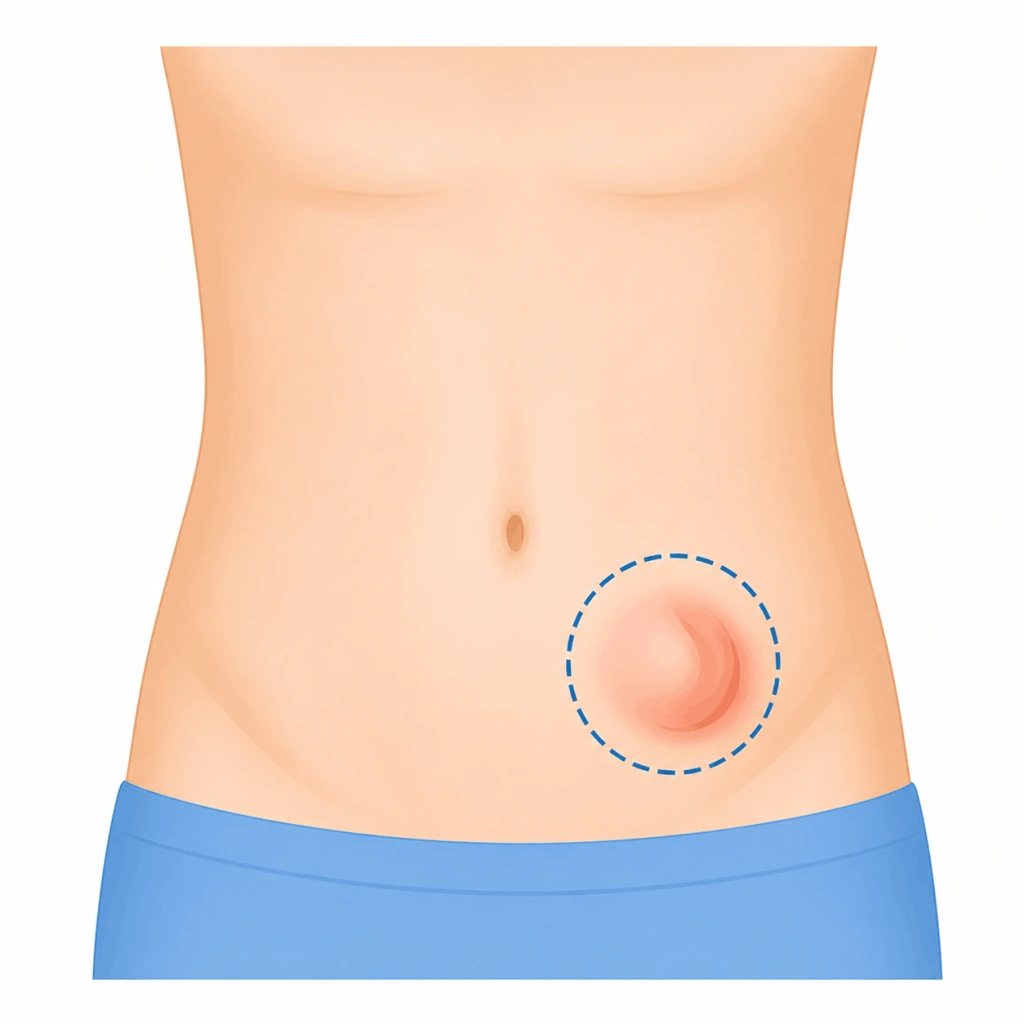
What is a Hernia?
Types of Hernia & Their Clinical Significance
Inguinal Hernia
The most common type of hernia, occurring in the groin region when tissue protrudes through a weakened abdominal wall, primarily affecting men.
Hiatal Hernia
A condition where part of the stomach pushes through the diaphragm, often causing acid reflux, chest discomfort, and heartburn.
Umbilical Hernia
Common in infants, this occurs near the belly button when abdominal tissue bulges through a weak spot in the abdominal wall.
Incisional Hernia
Develops at the site of a previous surgical incision due to weakening of the abdominal muscles after surgery.
Femoral Hernia
Typically affecting women, this hernia appears near the upper thigh or groin and may lead to serious complications if untreated.
Recognising the Clinical Signs of Hernia

Visible Bulge
Swelling in the groin or abdomen during coughing or standing.

Abdominal Pressure
Heaviness, weakness, or discomfort in the affected area.

Pain or Burning
Persistent pain around the hernia site.

Severe Digestive Symptoms
Nausea, vomiting, or constipation requiring urgent care.

Acid Reflux & Heartburn
Common in hiatal hernia cases.
Precision Hernia Surgery with Advanced Expertise
Open Hernia Surgery

- Suitable for large or complicated hernias
- Effective and widely practised technique
- Slightly longer recovery time
- May involve more post-operative discomfort
Laparoscopic Hernia Surgery
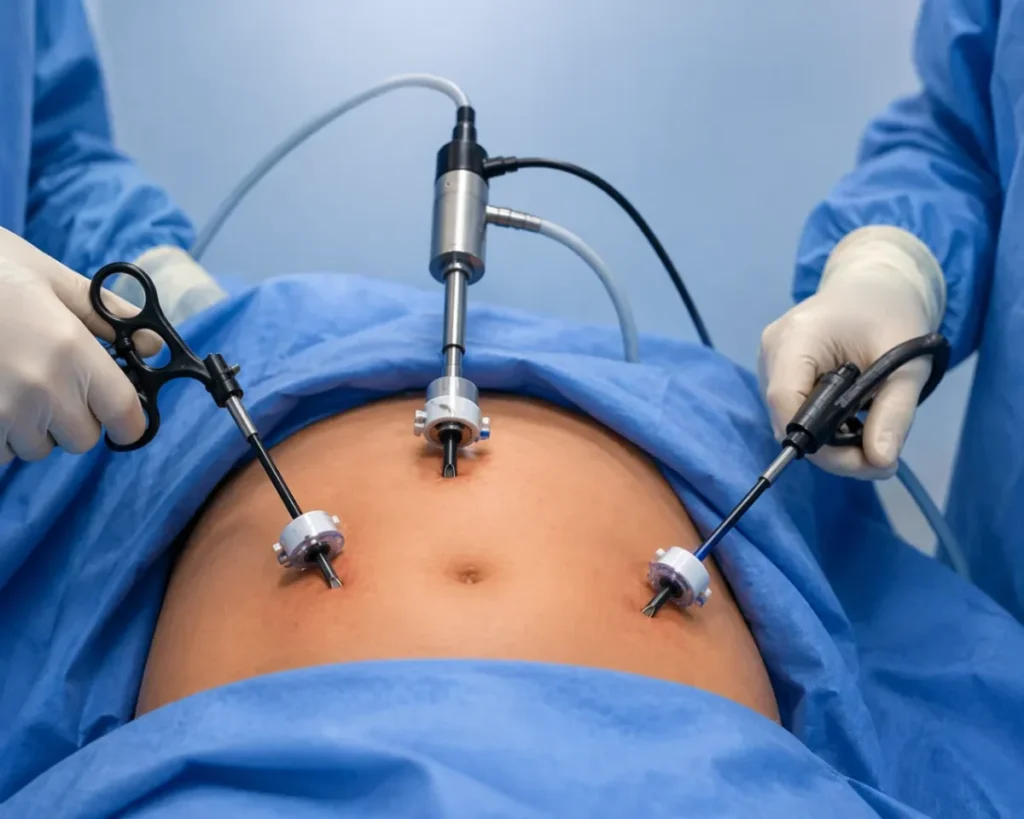
- Smaller cuts and minimal scarring
- Less pain after surgery
- Faster recovery and shorter hospital stay
- Early return to normal activities