
Acid Reflux & Heartburn
Enquiry Form
Understanding Acid Reflux and Heartburn
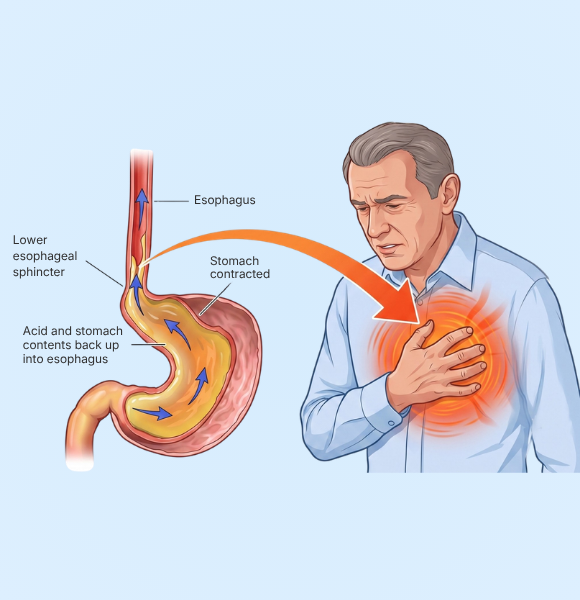
When stomach acid moves upwards into the oesophagus due to the malfunctioning of the Lower Oesophageal Sphincter (LES), it causes heartburn. The LES is a valve that closes after food passes from the oesophagus into the stomach. However, at times, this valve does not close properly or opens too frequently, allowing stomach acid to flow back up into the oesophagus. This upward movement of stomach acid is known as acid reflux.
Heartburn is a burning sensation in the oesophagus caused by acid reflux. It is typically felt as a burning discomfort behind or below the breastbone. Despite its name, heartburn has nothing to do with the heart.
Symptoms

Heartburn – A burning sensation or discomfort in the chest, which may also extend to the throat.
Regurgitation – A sour or bitter taste in the mouth caused by stomach acid flowing back up into the mouth from the oesophagus.

Bloating, burping, nausea and hiccups.

Dysphagia – Difficulty swallowing caused by a narrowing of the oesophagus, creating the sensation of food getting stuck in the throat.

Blood in the stool or vomit.

Unexplained weight loss.

Wheezing, a dry cough, hoarseness or a chronic sore throat.
Causes
Hiatal hernia
Obesity
Lying down immediately after a large meal
Lying on your back or bending over at the waist
Pregnancy
Beverages such as tea, coffee, carbonated drinks and alcohol
Certain foods such as tomatoes, onions, garlic, chocolate, citrus fruits, and spicy or fatty foods
Certain medications, including muscle relaxants, ibuprofen, aspirin and some blood pressure medications
Family history
Diagnosis
Upper endoscopy
Esophageal pH test
Frequently Asked Questions (FAQs) – Acid Reflux and Heartburn
No. Heartburn is a symptom of acid reflux. It is a burning sensation in the chest that occurs when stomach acid irritates the oesophageal lining.
A gastroenterologist may diagnose acid reflux based on your symptoms and medical history. If required, tests such as upper GI endoscopy, oesophageal pH monitoring or oesophageal manometry may be recommended to confirm the diagnosis.
Yes. Most patients improve with lifestyle changes, dietary modifications and medications that reduce stomach acid. Surgery is usually recommended only when symptoms are severe, persistent or do not respond to medical treatment.
People with acid reflux should limit or avoid:
- Spicy foods
- Fried and fatty foods
- Chocolate
- Tomatoes and tomato-based products
- Citrus fruits
- Onions and garlic
- Carbonated beverages
- Tea, coffee and alcohol
Many people can successfully control acid reflux with healthy lifestyle habits and medication. In patients with severe gastro-oesophageal reflux disease (GERD), advanced treatment options, including anti-reflux surgery, may provide long-term relief.
At MIRA Health Care, our experienced gastroenterologists provide comprehensive diagnosis and personalised treatment for acid reflux, heartburn and other digestive disorders using advanced diagnostic and treatment techniques.