
Irritable Bowel Syndrome
Enquiry Form
Understanding Irritable Bowel Syndrome (IBS) | Expert IBS Care at MIRA Health Care
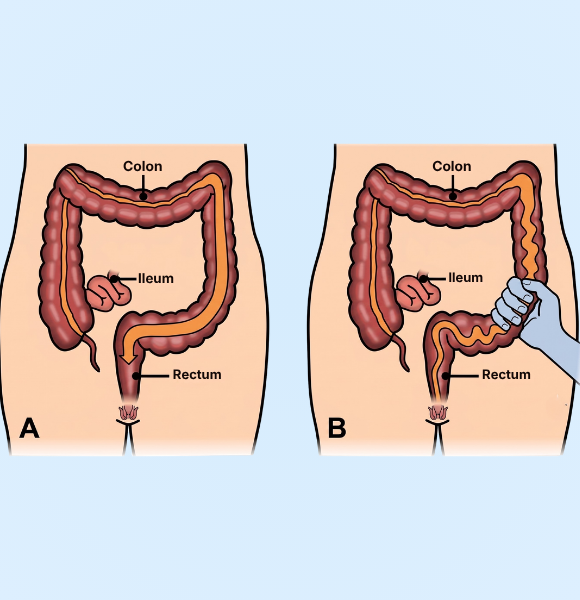

Symptoms

Excessive gas in the stomach
Abdominal cramping/bloating that is partly relieved by passing stools

Diarrhoea or constipation or both occurring alternatively

Stools with mucus
Causes
Inflammation of the intestines due to a response by the immune system, due to which there is pain and diarrhoea
Prolonged bacterial infection associated with continuous diarrhoea
Changes in microflora bacteria in the intestines
Mismatched coordination in signals between brain and intestines causing pain, bloating and diarrhoea
Irregular muscle contractions in the intestinal wall – Strong and long contractions cause bloating; slow and weak contractions cause constipation
Treatment for Irritable Bowel Syndrome (IBS) at MIRA Health Care
- Following a Low FODMAP diet to identify and avoid foods that trigger IBS symptoms.
- Increasing fibre and fluid intake, including soluble fibre supplements such as psyllium (ispaghula husk), where appropriate.
- Prescription medications to help regulate bowel function and relieve symptoms.
- Laxatives for patients with constipation-predominant IBS, when medically indicated.
- Antispasmodic medications to reduce abdominal cramps and relieve bowel spasms.
- Anti-diarrhoeal medications for patients with diarrhoea-predominant IBS.
- Lifestyle modifications and stress management, as stress is a common trigger for IBS flare-ups.
Recognising the Warning Signs of Digestive Disorders
- Persistent or severe diarrhoea, especially at night.
- Rectal bleeding or blood in the stool.
- Unexplained vomiting.
- Unexplained weight loss.
- Difficulty swallowing.
- Persistent abdominal pain that is not relieved after passing stools or gas.
- Anaemia or unexplained fatigue.
Frequently Asked Questions (FAQs) – Irritable Bowel Syndrome (IBS)
The exact cause of IBS is not fully understood. It may be linked to abnormal bowel contractions, increased sensitivity of the intestines, stress, certain foods, changes in gut bacteria or previous gastrointestinal infections.
Some people may notice that foods such as spicy foods, fatty meals, caffeine, carbonated drinks, alcohol and certain dairy products trigger their symptoms. Identifying personal food triggers can help reduce IBS flare-ups.
Yes. Stress and anxiety can worsen IBS symptoms in many people. Managing stress through regular exercise, adequate sleep, relaxation techniques and mindfulness may help improve digestive health.
Expert Diagnosis. Advanced Treatment. Trusted Care
FAQs – Irritable Bowel Syndrome at MIRA Health Care
A breast specialist will perform a physical examination and may recommend diagnostic tests such as a breast ultrasound, mammogram or biopsy to identify the nature of the lump.
No. Most breast lumps are not cancerous. They may be caused by conditions such as cysts, fibroadenomas, hormonal changes or infections. However, it is important to have any new or unusual lump evaluated by a doctor.
You should seek medical advice if you notice a new breast lump, changes in an existing lump, persistent breast pain, nipple discharge, skin changes or any unusual changes in your breasts. Early diagnosis is essential for effective treatment.
Some breast lumps, particularly those related to hormonal changes or simple cysts, may reduce in size or disappear over time. However, any persistent or recurring lump should be assessed by a breast specialist.
At MIRA Health Care, our experienced breast specialists provide comprehensive breast examinations, advanced diagnostic imaging and personalised treatment for both benign and malignant breast conditions. We are committed to delivering compassionate, accurate and timely breast care to help patients achieve the best possible outcomes.