
Endoscopy and Colonoscopy Treatment
Enquiry Form
Advanced Endoscopy & Colonoscopy Services at MIRA Health Care
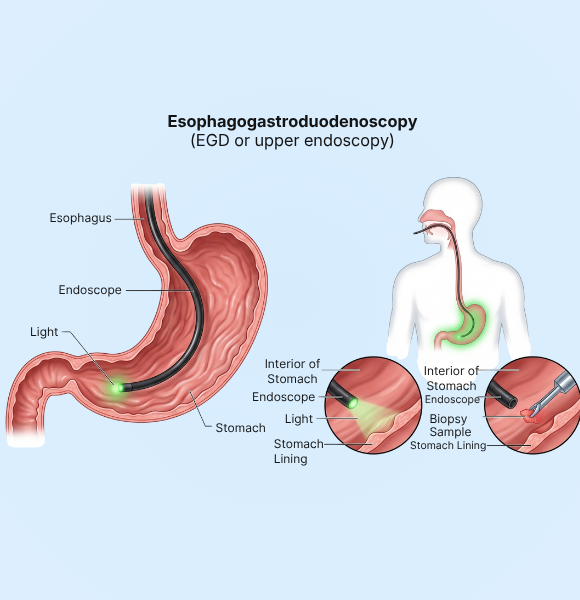
Endoscopy and colonoscopy are minimally invasive, non-surgical procedures used to examine the digestive tract, also known as the alimentary canal. Both are performed using an endoscope — a thin, flexible tube fitted with a high-definition camera and a light source — that captures detailed, real-time images on a monitor. At MIRA Health Care, these procedures play a vital role in the early diagnosis and evaluation of a wide range of digestive disorders, including H. pylori infection, gastritis, ulcers, and colorectal conditions, helping ensure timely and effective treatment.
What's the Difference Between Endoscopy and Colonoscopy?
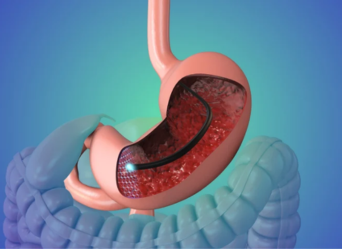
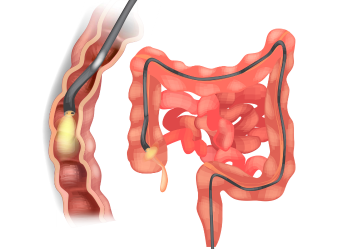
An endoscopy (upper endoscopy) examines the upper digestive tract — the oesophagus, stomach, and the first part of the small intestine — by passing the endoscope through the mouth. A colonoscopy examines the lower digestive tract — the rectum, colon, and large intestine — by passing the endoscope through the anus. Both procedures let your doctor directly view the lining of the digestive tract and take tissue samples (biopsies) if needed, but they’re used for different symptoms and conditions, outlined below.
Types
Upper Endoscopy
An endoscope examines the oesophagus, stomach and upper small intestine, allowing biopsies to test for H. pylori and visual checks for gastritis or ulcers, while a non-invasive Urea Breath Test may be offered first for persistent acidity or suspected infection.
Colonoscopy
An endoscope is inserted into the anus to view the rectum, colon, and remaining large intestine — used both to diagnose symptoms and to screen for colorectal cancer and polyps, even before symptoms appear.
ERCP
Also known as endoscopic retrograde cholangiopancreaticography, this type of endoscopy enables images of the pancreas and gallbladder to be taken. It can also be used for placing stents and performing biopsy.
Endoscopic Ultrasound (EUS)
In this procedure, endoscopy is performed along with ultrasound to get a detailed image of the inner digestive tract and surrounding structures.
When Is Endoscopy Recommended?
- Persistent acidity, heartburn, or indigestion that doesn’t respond to medication
- Unexplained stomach pain, nausea, or vomiting
- Difficulty or pain while swallowing
- Suspected H. pylori infection, gastritis, or ulcers requiring direct visualisation and biopsy
- Unexplained weight loss or anaemia
When Is Colonoscopy Recommended?
- Rectal bleeding or blood in the stool
- Chronic constipation, diarrhoea, or unexplained changes in bowel habits
- Persistent abdominal pain of unclear cause
- Routine colorectal cancer screening, typically recommended from age 45 onward or earlier with a family history
- Follow-up after previously detected polyps or colorectal conditions
How to Prepare
For Endoscopy
- Fasting for 6–8 hours before the procedure, as advised by your doctor
- Informing the team of any current medications, especially blood thinners

For Colonoscopy
- Following a prescribed bowel-preparation solution to clear the colon the day before
- Switching to a clear liquid diet for a period before the procedure, as instructed
- Arranging for someone to accompany you home, as sedation is used for both procedures
What Happens During the Procedure
Both procedures are typically performed as day-care visits under mild sedation for comfort. The endoscope is gently guided through the relevant path — mouth for endoscopy, anus for colonoscopy — allowing your specialist to examine the digestive tract lining in real time on a monitor. If anything unusual is seen, such as a polyp, ulcer, or area of inflammation, a small tissue sample (biopsy) can be taken during the same procedure without any additional intervention. Polyps found during colonoscopy can often be removed on the spot.
Recovery After the Procedure
Most patients rest for a short period after sedation wears off before heading home the same day. Mild throat discomfort (after endoscopy) or bloating and gas (after colonoscopy) are common and settle quickly, usually within a day. Because of the sedation used, you shouldn’t drive yourself home or make important decisions for the rest of the day.
Is It Safe? Risks to Know
Both endoscopy and colonoscopy are well-established, routinely performed procedures with a strong safety record. Most patients experience only mild, short-lived side effects such as a sore throat or bloating. As with any procedure involving sedation or biopsy, there is a small risk of complications such as bleeding or, very rarely, perforation of the digestive tract wall — your specialist will discuss your individual risk profile before the procedure so you can make an informed decision.
Endoscopy vs UBT: Which Test Do I Need for H. Pylori?
| Endoscopy (with biopsy) | Urea Breath Test (UBT) | |
|---|---|---|
|
Invasiveness |
Invasive (scope procedure, sedation) |
Non-invasive (breath sample only) |
|
Best for |
Severe/alarm symptoms, direct visual exam needed |
First-line H. pylori screening & confirming cure |
|
Recovery time |
Same-day, brief rest after sedation |
None — resume your day immediately |
Why Choose Mira Healthcare
At MIRA Health Care — Advanced Speciality Surgical Centre, we provide advanced endoscopy and colonoscopy services using modern technology and expert care. Our experienced specialists focus on accurate diagnosis, patient comfort, and personalised treatment, moving directly from diagnosis to treatment planning — including H. pylori management, gastritis, ulcers, and colorectal care — without needing to visit multiple centres.
Persistent digestive symptoms or due for a colorectal screening? Book a consultation with our specialists to discuss whether endoscopy or colonoscopy is right for you.
Frequently Asked Questions (FAQs) – Endoscopy & Colonoscopy
An endoscopy examines the upper digestive tract, while a colonoscopy examines the lower digestive tract, including the colon and rectum. Both procedures are valuable tools for diagnosing digestive disorders.
Your doctor may recommend these procedures if you have symptoms such as persistent abdominal pain, acid reflux, difficulty swallowing, unexplained weight loss, rectal bleeding, chronic diarrhoea, constipation or changes in bowel habits.
Preparation depends on the procedure. For an endoscopy, fasting for several hours is usually required. For a colonoscopy, bowel preparation with a prescribed cleansing solution is necessary to ensure a clear view of the colon.
An endoscopy typically takes 15–30 minutes, while a colonoscopy usually takes 30–60 minutes. Including preparation and recovery time, patients are generally discharged on the same day.
Yes. During an upper endoscopy, a small tissue sample (biopsy) can be taken and tested for H. pylori, in addition to a direct visual examination for gastritis or ulcers. For patients who don't need a full endoscopy, a non-invasive Urea Breath Test is often used first.
Routine colorectal cancer screening is generally recommended from age 45 onward for those at average risk, or earlier if you have a family history of colorectal cancer or polyps. Your doctor can advise on the right timing for you.