Every year, the first heavy showers bring welcome relief from the heat — and a predictable rise in stomach infections and diarrhoea. If you’ve noticed more people around you complaining of loose motions, stomach cramps, or nausea between July and September, you’re not imagining it. Monsoon is one of the busiest seasons for gastroenteritis cases at clinics across Chennai, and understanding why can help you avoid becoming one of them.
Why Monsoon Is Prime Time for Stomach Infections
Rainwater doesn’t just fall from the sky and disappear — it mixes with drains, sewage, and street run-off before it reaches your water supply, vegetables, or the glass of sugarcane juice from your favourite roadside stall. This contaminated water and food is the single biggest driver of monsoon stomach infections.
A few specific reasons infections spike this time of year:
- Water contamination: Municipal pipelines can crack or get infiltrated by sewage during heavy rain, allowing bacteria like E. coli, Salmonella, and Vibrio cholerae to enter drinking water.
- Food spoilage: Humidity accelerates bacterial growth in cooked food, cut fruits, and dairy, especially when food is left out for even a short time.
- Vegetables and leafy greens: Grown close to the ground, these can carry mud, parasites, and bacteria that survive a quick rinse.
- Weakened digestion: Sudden temperature drops and humidity can slow digestion slightly, making the gut more reactive to contaminants it would normally tolerate.
- Street food and outside eating: Chutneys, juices, and chaats prepared with unfiltered water or ice are common culprits during this season.
Common Symptoms to Watch For
Most monsoon-related stomach infections fall under what doctors broadly call gastroenteritis. Typical symptoms include:
- Loose, watery stools (three or more times a day)
- Abdominal cramps or bloating
- Nausea, sometimes with vomiting
- Mild fever
- General weakness or fatigue
For the vast majority of people, this resolves on its own within 2–3 days with rest, hydration, and a light diet.
Simple Upset Stomach vs. When You Need a Doctor
It’s important not to panic over every bout of loose motion, but it’s equally important not to ignore warning signs. Here’s a practical way to tell the difference.
Usually manageable at home:
- Loose stools without blood
- Mild cramping that eases after a bowel movement
- No high fever
- You’re able to keep fluids down
See a gastroenterologist promptly if you notice:
- Diarrhoea lasting more than 3 days
- Blood or mucus in the stool
- High fever (above 102°F) or persistent vomiting
- Signs of dehydration — dry mouth, dizziness, very little urine, sunken eyes
- Severe, worsening abdominal pain
- Diarrhoea in young children, elderly family members, or anyone with an existing health condition
Persistent or recurrent diarrhoea can sometimes signal dysentery, a parasitic infection, or an underlying digestive condition that needs proper diagnosis and treatment rather than home remedies alone. At MIRA Healthcare, our Gastroenterology team in Chennai has experience diagnosing and treating gastroenteritis, peptic and gastric conditions, and related digestive complaints — the same expertise that goes into managing monsoon diarrhoea cases each year. Read more on our Gastroenterology Treatment page, and don’t miss Dr. Vani Vijay’s explainer on the difference between diarrhoea and dysentery if you’re unsure which one you’re dealing with.
The Role of Hydration and ORS
Whatever the cause, fluid loss is the real danger in any bout of diarrhoea — not the loose stools themselves. Oral Rehydration Solution (ORS) is your first line of defence:
- Sip small amounts frequently rather than gulping large quantities at once
- Continue ORS even if vomiting occurs — a little absorbed is better than none
- Coconut water, buttermilk (thin, freshly made), and clear soups can supplement ORS
- Avoid caffeinated drinks, carbonated sodas, and very sugary juices, which can worsen fluid loss
- Once symptoms ease, reintroduce food gradually — starting with rice, bananas, and toast before returning to a normal diet
Safe Food and Water Practices This Monsoon
Prevention is far easier than treatment. A few habits go a long way:
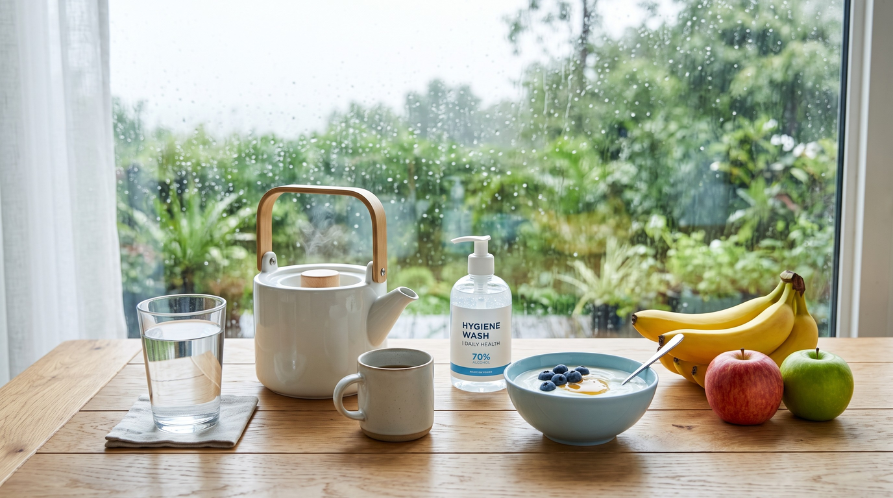
- Boil or filter drinking water, especially if you notice any change in colour, smell, or pressure from your taps.
- Avoid ice and juices from street vendors — you can’t verify the water source.
- Wash vegetables and fruits thoroughly, and peel where possible.
- Eat freshly cooked, hot food rather than food that has been sitting out.
- Wash hands with soap before eating and after using the washroom — this alone prevents a large share of infections.
- Be cautious with seafood and cut fruit sold in the open during heavy rains.
When to Book a Consultation
If your symptoms don’t improve within a few days, keep recurring, or come with fever and blood in stools, it’s time to stop self-treating and get evaluated. Early diagnosis can prevent complications and rule out anything more serious than a seasonal bug.
MIRA Healthcare’s team in Adyar, Chennai, sees a rise in monsoon gastro cases every year and is equipped to diagnose and treat them quickly. Book an appointment or call +91 99626 60009 if your symptoms are persisting.