
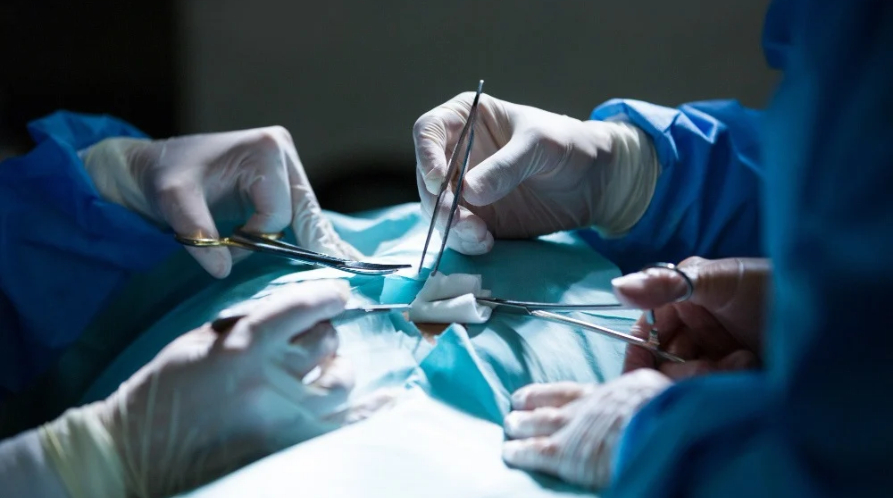
Laparoscopic hernia surgery is one of the most effective and least disruptive ways to treat a hernia, using small “keyhole” incisions instead of a large open cut, which generally means less pain, a lower risk of infection, and a faster return to daily life compared to open surgery.
Still, “minimally invasive” doesn’t mean “no recovery time.” Understanding what to expect — week by week — helps you heal properly, avoid complications, and get back to your normal routine with confidence.
Here’s a practical guide to laparoscopic hernia recovery, covering what actually happens in the days and weeks after your surgery.
Understanding Laparoscopic Hernia Repair
During laparoscopic hernia surgery, your surgeon makes a few small incisions and uses a camera and specialized instruments to repair the hernia, often reinforcing the weakened area with surgical mesh. Because the incisions are small, most patients experience less post-operative pain and scarring than with open hernia surgery and many go home the same day or the following day.
That said, everyone heals at a slightly different pace depending on the type and size of the hernia, overall health, and how closely they follow post-op instructions.
Week 1: Rest and Initial Healing
The first week is about giving your body space to begin healing.
- Expect some pain and swelling. Mild to moderate discomfort around the incision sites, along with some swelling or bruising, is completely normal in the first few days.
- Take pain medication as prescribed. Don’t try to “push through” — staying ahead of the pain helps you move more comfortably, which actually supports healing.
- Rest is important, but don’t stay completely immobile. Short, gentle walks around the house are encouraged from day one — they help prevent blood clots and support circulation, but avoid any real exertion.
- Avoid lifting anything heavier than a few kilograms. This includes grocery bags, luggage, or picking up children.
- Keep the incision sites clean and dry. Follow your surgeon’s specific wound care instructions, and watch for any unusual redness or discharge.
- Most people need this week off work, especially for physically demanding jobs.
Week 2–3: Gradual Return to Light Activity
By the second week, most patients notice a significant improvement in comfort and mobility.
- Pain and swelling continue to reduce, though some mild tenderness around the incision area is still normal.
- Light activity can increase. Longer walks, light household tasks, and returning to a desk job are often possible around this stage — always guided by how you feel and your surgeon’s advice.
- Continue avoiding heavy lifting and straining. The internal repair is still healing at this stage, even though the small external incisions may look mostly healed.
- Driving can often resume once you’re off strong pain medication and can comfortably perform an emergency stop or twist to check your mirrors without pain — usually within this window, but confirm with your doctor.
- Avoid core-intensive activity, like sit-ups, heavy housework (vacuuming, moving furniture), or prolonged standing/bending.
Week 4 and Beyond: Returning to Normal Life
- Most patients can resume normal daily activities by week 4, including most work responsibilities, provided the job isn’t physically strenuous.
- Gradual return to exercise. Light exercise like brisk walking or gentle cycling is usually fine; more strenuous workouts, running, or weight training should wait for your surgeon’s clearance — often around 4–6 weeks, sometimes longer depending on hernia size and repair type.
- Heavy lifting and intense core exercises (like weight training or contact sports) are usually restricted until at least 6 weeks post-surgery, and sometimes longer.
- Full internal healing takes time. Even though you may feel fully recovered, the tissue and mesh (if used) continue to integrate and strengthen for several weeks after you’re back to your usual routine — so continue easing into strenuous activity rather than jumping back in all at once.
Diet Tips to Support Recovery and Avoid Straining
Constipation and straining are among the biggest risks to a smooth hernia recovery, since straining puts direct pressure on the healing repair site. A few simple diet habits go a long way:
- Increase fiber intake — fruits, vegetables, whole grains, and legumes help keep bowel movements soft and regular.
- Stay well hydrated — aim for 8–10 glasses of water daily unless your doctor advises otherwise.
- Eat smaller, more frequent meals in the first few days if you feel bloated or have reduced appetite, which is common after anesthesia.
- Limit gas-producing and heavy, fried foods initially, as they can cause discomfort, especially with abdominal surgery.
- Consider a stool softener if recommended by your doctor, particularly if you’re on pain medication, which can contribute to constipation.
Signs of Complications: When to Call Your Doctor
While complications after laparoscopic hernia surgery are uncommon, it’s important to know the warning signs and act quickly if you notice:
- Increasing pain instead of gradual improvement
- Redness, warmth, swelling, or discharge at the incision sites
- Fever or chills
- Persistent nausea or vomiting
- A new bulge at or near the surgery site
- Difficulty urinating or passing stool
- Shortness of breath or chest pain
Any of these warrant a call to your surgical team — don’t wait for your next scheduled follow-up.
How Long Does Laparoscopic Hernia Recovery Really Take?
There’s no single answer, since hernia surgery recovery time depends on the type of hernia (inguinal, umbilical, incisional, hiatal), its size, and your individual health. As a general guide:
| Milestone | Typical Timeline |
| Discharge from hospital | Same day or next day |
| Return to desk-based work | 1–2 weeks |
| Return to physically demanding work | 3–6 weeks |
| Driving | 1–2 weeks (once off strong pain medication) |
| Light exercise (walking) | From day 1, gradually increasing |
| Strenuous exercise / gym / heavy lifting | 4–6 weeks, with doctor’s clearance |
| Full internal healing | Several weeks to a few months |
(This is a general guide — your surgeon will give you a personalized timeline based on your specific procedure.)
Why Choose Laparoscopic Over Open Hernia Surgery?
Compared to open hernia repair, the laparoscopic (keyhole) approach generally offers:
- Smaller incisions and less visible scarring
- Less post-operative pain
- Shorter hospital stay
- Faster return to daily activities and work
- Lower risk of wound infection
This is why laparoscopic hernia surgery recovery is often significantly quicker and more comfortable than recovery from traditional open surgery — though the exact benefits depend on your specific case.
Final Thoughts
Recovering from laparoscopic hernia surgery is a gradual process — not a single event. Respecting each stage, from the rest-focused first week to the careful return to exercise by week four and beyond, sets you up for the best possible outcome and reduces the risk of hernia recurrence.
If you’re preparing for hernia surgery or currently recovering and have questions about your specific timeline, Mira Healthcare’s surgical team is here to guide you through every stage.
Have questions about your hernia surgery recovery? Book a consultation with our surgical specialists for guidance tailored to your procedure.
This blog is for general informational purposes and does not replace professional medical advice. Please consult your doctor for guidance specific to your condition.