If you’re already managing piles, a fissure, or a fistula, monsoon can be an uncomfortable season. Many patients notice their symptoms — itching, discharge, irritation, or pain — get worse specifically during the rains, even without any change in diet or bowel habits. This isn’t a coincidence; it’s a direct result of how humidity and moisture affect the sensitive skin around the anal area.
Why Monsoon Makes Piles, Fissure, and Fistula Symptoms Worse
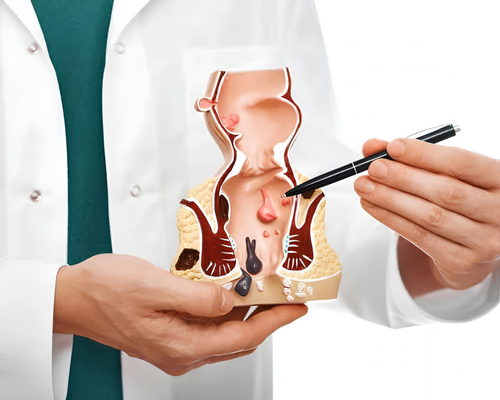
The anal region is naturally warm and moist, and existing conditions like piles (haemorrhoids), fissures, and fistulas already make the skin there more fragile. Add monsoon humidity to the mix, and a few things happen:
- Prolonged moisture retention: Sweat and humidity don’t evaporate as easily, keeping the skin damp for longer periods and increasing the risk of irritation and fungal or bacterial growth.
- Increased friction: Damp skin combined with clothing that doesn’t dry properly can cause more chafing around piles or a fistula opening.
- Slower wound healing: For those recovering from a fissure or a fistula procedure, excess moisture can slow down healing and increase the chance of localised infection.
- Higher infection risk for fistula discharge: A fistula tract that discharges pus or fluid is more prone to secondary infection when the surrounding skin stays moist and isn’t kept scrupulously clean.
- Constipation triggers: Reduced water intake (common in cooler, rainy weather) combined with comfort eating can lead to constipation, which directly aggravates piles and fissures.
A Monsoon Hygiene Routine That Actually Helps
1. Keep the area clean and dry, in that order. Clean first with plain water after every bowel movement — avoid harsh soaps or scented wipes, which can irritate already sensitive skin. Then pat (never rub) the area completely dry with a soft, clean towel before dressing.
2. Wear breathable, cotton innerwear. Synthetic fabrics trap moisture. Cotton allows better airflow and reduces the damp, warm environment that bacteria thrive in. Change innerwear more frequently than usual during humid days.
3. Avoid sitting in wet clothes. If you get caught in the rain, change as soon as possible. Sitting for long periods in damp clothing is one of the most common — and most avoidable — causes of monsoon flare-ups.
4. Stay ahead of constipation. Increase fibre (fruits, vegetables, whole grains) and drink adequate water even if you don’t feel as thirsty as you do in summer. Straining during bowel movements is one of the biggest aggravators of both piles and fissures.
5. Don’t skip your prescribed ointments or medication. If you’re on a treatment plan, monsoon is not the season to get lax about it — moisture-related flare-ups are exactly when consistent use matters most.
Sitz Baths: The Monsoon-Specific Way to Do It Right
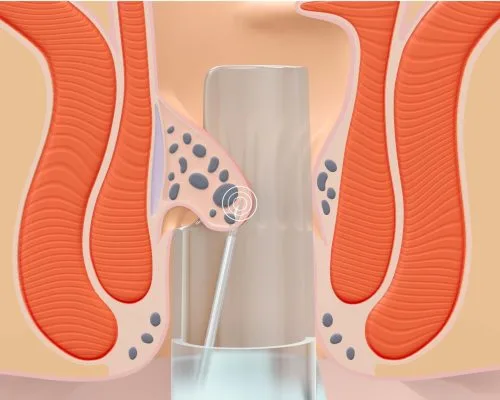
A sitz bath — sitting in shallow warm water that covers the hips and buttocks — is one of the most effective home measures for piles, fissure, and fistula discomfort, and it becomes even more useful in the monsoon when the area needs extra cleaning attention. A few adjustments for this season:
- Use lukewarm, not hot, water — heat combined with already irritated skin can increase discomfort.
- Limit sessions to 10–15 minutes, 2–3 times a day, especially after bowel movements.
- Dry thoroughly afterwards — a sitz bath followed by damp skin left uncovered defeats the purpose.
- Clean the basin/tub before every use — in humid weather, containers left damp between uses can develop mould or bacteria faster than usual.
- Avoid adding salt, antiseptic liquids, or other additives unless specifically advised by your doctor.
For a complete walkthrough, see our detailed guide: Sitz Bath for Piles & Anal Pain.
When Itching or Discharge Means It’s More Than Just Monsoon Irritation
Some discomfort during monsoon is common, but certain signs suggest an infection or worsening condition that needs medical attention rather than home care alone:
- Increasing pain that doesn’t settle with sitz baths or usual measures
- Discharge that becomes foul-smelling, yellow, or green (rather than the usual clear/watery fistula drainage)
- Swelling, redness, or warmth around a piles or fistula site — signs of possible infection
- Fever accompanying anal pain or discharge
- Bleeding that increases in amount or frequency
- A fistula opening that seems to be enlarging or a new opening appearing nearby
Ignoring these signs during monsoon, when infection risk is already elevated, can lead to abscesses or delayed healing. It’s always safer to get it checked than to wait it out.
Get Evaluated by a Proctologist
MIRA Healthcare, led by Dr. Vani Vijay, is one of Chennai’s dedicated proctology and colorectal centres, treating piles, fissures, and fistulas with minimally invasive options including laser and Rafaelo procedures. If monsoon has been particularly hard on your symptoms this year, don’t wait for the season to pass on its own.
- Learn more about Piles Treatment
- Learn more about Fistula Treatment
- Learn more about Fissure Treatment
Book an appointment with our specialists, or call +91 99626 60009 for guidance on managing your symptoms through the rainy season.