
H. Pylori Treatment
Enquiry Form
What Is H. Pylori?
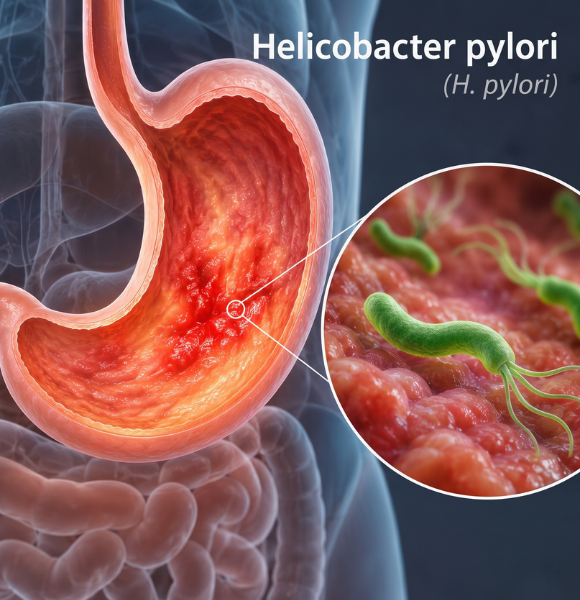
Helicobacter pylori (H. pylori) is a common bacterium that lives in the lining of the stomach. It’s one of the leading causes of gastritis and peptic ulcers, and over the long term, an untreated infection can increase the risk of stomach cancer. H. pylori is widespread and usually spreads in childhood through contaminated food, water, or close contact with an infected family member.
Many people carry H. pylori for years without any symptoms at all. When it does cause problems, it typically shows up as persistent stomach discomfort, bloating, or acidity that doesn’t fully resolve with over-the-counter antacids — which is often what brings people in for testing.
Symptoms

Burning or gnawing stomach pain, often worse on an empty stomach or at night

Bloating and excessive burping

Nausea or a reduced appetite

Unexplained weight loss

Frequent acidity or indigestion that doesn't improve with usual remedies

In advanced cases: dark or tarry stools, or vomiting — these need urgent evaluation
Causes
Oral-to-Oral Contact or Faecal-to-Oral Contact
Spread within families
Most commonly acquired in childhood
Contaminated Food or Water
Poor Sanitation
Limited Access to Clean Water
The bacteria can persist in the stomach lining for years unless specifically treated.
Risk Factors
Living in crowded households, especially during childhood
Limited access to clean, safe drinking water
Close contact with a family member who has a confirmed H. pylori infection
Living in or having grown up in a region with higher H. pylori prevalence
Living without reliable access to hygienic food handling and sanitation
Complications If Left Untreated
Most H. pylori infections respond well to treatment, but an infection that goes unnoticed or untreated for years can lead to chronic gastritis, stomach or duodenal ulcers, and in some cases, gastrointestinal bleeding. Long-standing infection is also linked to a higher long-term risk of stomach cancer and, rarely, a type of stomach lymphoma (MALT lymphoma) — which is why timely diagnosis matters even when symptoms feel mild or manageable.
When to See a Doctor

Speak to a specialist if you have persistent stomach pain, bloating, or acidity that doesn’t improve with standard antacids, especially if it has lasted more than a couple of weeks. Seek prompt medical attention if you notice dark or tarry stools, vomiting blood, severe abdominal pain, or unexplained weight loss — these can indicate a complication that needs urgent assessment.
How H. Pylori Is Diagnosed
At Mira Healthcare, we typically begin with a Urea Breath Test (UBT) — a simple, non-invasive breath test that can confirm active H. pylori infection without the need for a scope or needle. In select cases, particularly where ulcers, bleeding, or persistent symptoms are suspected, our specialists may recommend an endoscopy with biopsy for a direct, more detailed evaluation of the stomach lining.
Treatment Approach at Mira Healthcare
Treatment usually involves a short course of combination antibiotics along with acid-suppressing medication (triple or quadruple therapy), tailored to the patient’s history and any prior antibiotic use. Our team also guides patients on dietary adjustments and lifestyle changes that support healing and help prevent recurrence. Follow-up testing — typically a repeat UBT — is recommended a few weeks after completing treatment to confirm the infection has cleared.
Prevention Tips
Wash hands thoroughly before eating and after using the washroom
Drink water from a safe, clean source
Ensure food is properly cooked and handled hygienically
Avoid sharing utensils, glasses, or food with someone who has an active, untreated infection
Get tested if a close family member has been diagnosed, since it often spreads within households
Why Choose Mira Healthcare
Mira Healthcare’s gastroenterology team in Adyar, Chennai, offers same-visit access to both diagnosis (UBT and endoscopy) and treatment planning, so you’re not shuttled between multiple centres. Our approach combines evidence-based medical management with practical dietary and gut-health guidance for lasting relief, not just symptom relief.
Experiencing persistent stomach discomfort or acidity? Book a consultation with our gastroenterology team for accurate diagnosis and personalised treatment.
Frequently Asked Questions (FAQs) – Acid Reflux and Heartburn
Most H. pylori infections are treatable with a short course of medication. Left untreated over the long term, however, it can lead to ulcers or a higher risk of stomach cancer, which is why timely diagnosis and treatment matter.
We typically start with a simple, non-invasive Urea Breath Test (UBT). If needed, an endoscopy with biopsy may be recommended for a more detailed look at the stomach lining.
Reinfection is possible but uncommon when treatment is completed fully and confirmed with follow-up testing. We recommend a repeat UBT a few weeks after treatment to confirm the infection has cleared.
Yes, it can spread through contaminated food or water, or close contact with an infected person, which is why it's often seen within families.
Yes. With the right combination of antibiotics and acid-suppressing medication, most H. pylori infections are fully cleared. Completing the full course as prescribed is important for successful treatment.
No. Many people carry H. pylori for years without any noticeable symptoms. It's often only found when testing is done for another reason or when symptoms eventually develop.